
Phu Quoc Pepper Guide 2026: Why Vietnam’s Island Pepper Is Becoming World Famous
Updated: May 15

When travelers think about Phu Quoc, they usually imagine turquoise water, tropical islands, snorkeling, seafood, or sunsets over the Gulf of Thailand.
But hidden between jungle roads and quiet countryside lies something that shaped the island long before tourism arrived:
pepper farms.
Phu Quoc pepper is not just another spice sold in souvenir shops.For many Vietnamese chefs, locals, and food lovers, it is considered one of the finest peppers in Vietnam and for some, even better than famous Kampot pepper thanks to its stronger aroma, fresher citrus notes, and unique island terroir.
Today, pepper plantations remain one of the most authentic cultural experiences on Phu Quoc.
What Makes Phu Quoc Pepper Special?
The secret of Phu Quoc pepper starts in the soil.
Unlike large industrial pepper farms in mainland Vietnam, many farms on Phu Quoc still use traditional cultivation methods passed down through generations. The island’s mineral-rich soil, tropical humidity, sea breeze, and strong sunlight create ideal conditions for growing aromatic peppercorns with high essential oil content.
Local farmers often describe Phu Quoc pepper as:
more aromatic
slightly sweeter
naturally citrusy
herbal and fresh
less aggressively spicy
rich in essential oils
The result is a pepper with a very intense fragrance but balanced heat.
Some red pepper varieties from Phu Quoc even develop subtle notes similar to citrus peel, herbs, eucalyptus, or forest plants.
That is why many visitors buy pepper here directly from farms instead of supermarkets.
Types of Pepper on Phu Quoc
Red Pepper (The Premium Choice)
Red pepper is considered the highest-quality pepper on the island.
It is harvested only when the peppercorns are fully ripe and naturally red. After harvesting, the berries are dried under the tropical sun for several days.
This process creates:
intense aroma
complex flavor
natural sweetness
beautiful deep red color
Red pepper is usually more expensive and often sold as a premium souvenir or gourmet spice.
Black Pepper
Black pepper is the most common variety used in Vietnamese kitchens.
It has:
strong traditional pepper flavor
earthy aroma
balanced spice level
universal culinary use
This is the classic everyday pepper most travelers bring home.
White Pepper
White pepper is made by removing the outer skin from ripe peppercorns.
Compared to black pepper, it has:
cleaner taste
sharper heat
lighter aroma
smoother texture
White pepper is especially popular in soups, seafood dishes, and fine dining cuisine.
Fresh Green Pepper
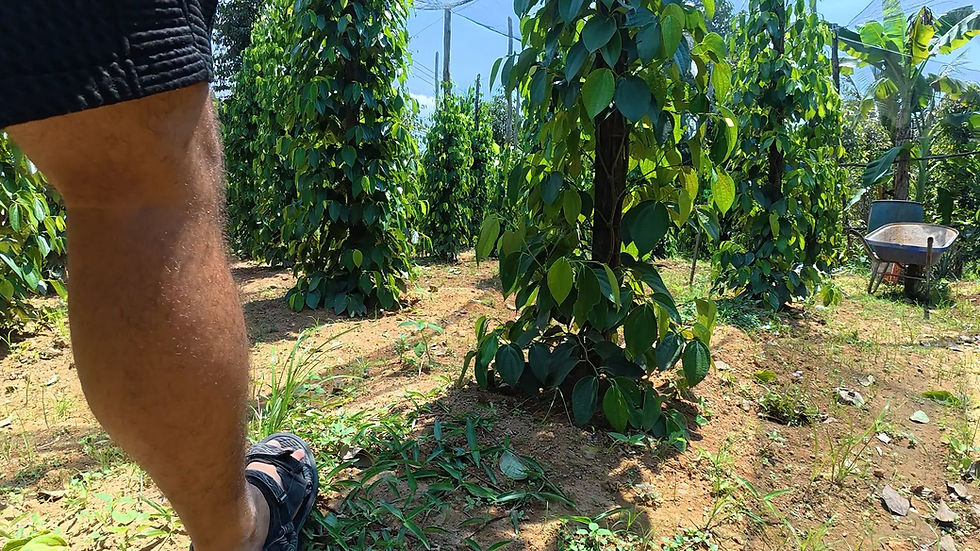
Fresh green pepper is one of the hidden gems of Vietnamese cuisine.
Locals often cook it with:
caramelized fish
seafood
grilled meat
hotpot
pepper sauces
Fresh pepper has a completely different flavor profile — bright, herbal, juicy, and slightly floral.
Why Many Travelers Prefer Phu Quoc Pepper
Phu Quoc pepper has developed a strong reputation among travelers because it feels authentic.
Unlike mass-produced souvenirs, pepper farms are still connected to real agriculture and local families.
Visitors can often:
walk through plantations
see the drying process
taste different varieties
smell freshly harvested pepper
buy directly from farmers
For many tourists, it becomes one of the most memorable stops outside beaches and islands.
Traditional Farming Still Exists Here
One reason Phu Quoc pepper stands out is the farming culture.
Many local farms still rely heavily on manual labor instead of full industrialization.
Farmers:
hand-pick peppercorns
dry them naturally in sunlight
maintain small family plantations
use organic-style fertilization methods
care for individual vines manually
Historically, some farms even used fermented fish byproducts connected to the island’s famous fish sauce industry as natural fertilizer.
This deep connection between land, sea, and farming is part of what makes Phu Quoc pepper unique.
Pepper Farms You Can Visit on Phu Quoc
Several pepper farms on the island are open to visitors.
Most are located in central or northern Phu Quoc near areas like:
Cửa Dương
Gành Dầu
countryside roads north of Duong Dong
Many farms offer free entry and small tastings.
Some also sell:
pepper salt
fresh pepper products
pepper sauces
dried red pepper
local spices
The best time to visit is usually during harvest season when the plants are full of colorful peppercorns.
Visiting traditional pepper farms is also part of some of our Phu Quoc land tours around the island.
Is Phu Quoc Pepper Better Than Kampot Pepper?
This question appears constantly among food lovers traveling through Southeast Asia.
The truth is that both are excellent.
But Phu Quoc pepper offers a different profile that many people actually prefer:
Feature | Phu Quoc Pepper | Kampot Pepper |
Aroma | Fresh, citrusy, herbal | Deep and intense |
Flavor | Balanced and aromatic | Stronger heat |
Style | Tropical island character | Earthy complexity |
Experience | Authentic farm tourism | Gourmet reputation |
Many travelers describe Phu Quoc pepper as:
fresher
brighter
more fragrant
easier to use daily
Especially red pepper from Phu Quoc is gaining a strong reputation among chefs and culinary travelers.
Why Pepper Matters to Phu Quoc
Pepper is part of the island’s identity.
Long before luxury resorts and cable cars, pepper farms helped shape the local economy together with fishing and fish sauce production.
Even today, pepper farming helps preserve:
rural culture
agricultural traditions
family businesses
countryside landscapes
local tourism experiences
Without pepper farms, Phu Quoc would lose part of its original soul.
Best Souvenir From Phu Quoc?
For many visitors: yes.
Pepper is:
lightweight
authentic
local
easy to transport
genuinely useful at home
Unlike generic souvenirs, it also carries a real connection to the island.
And every time you open the package at home, the aroma immediately brings back memories of tropical roads, jungle air, seafood dinners, and island life on Phu Quoc.
Where to Buy Real Phu Quoc Pepper on Phu Quoc
If you want the real Phu Quoc pepper, the best choice is always to buy it directly where it is grown or from trusted local producers.
The most authentic places are:
Pepper farms (best option)Visiting farms around areas like Cửa Dương, Gành Dầu, and the countryside north of Dương Đông gives you the most honest experience.You can see the vines, smell fresh pepper, and buy directly from farmers usually the highest quality and freshest selection.
Duong Dong Market (local central market)A good place to explore different varieties in one stop. You’ll find black, red, white, and green pepper, often packed in simple local bags. Quality varies, so it helps to smell and compare.
Specialty local shops on the island Some family-run stores sell pepper products alongside fish sauce, dried seafood, and local spices. These can be convenient, but still check origin (look for “Phu Quoc farm” rather than generic Vietnam blends).
A simple rule:If it smells alive, aromatic, and slightly citrusy it’s usually real Phu Quoc pepper.
This Stop Is Part of Our Tours
Visiting pepper farms on Phu Quoc is not a shopping add-on.It’s a real-world data point of the island’s agricultural system climate, soil, and human labor working together in one place.
With Kimi Vietnam Tour, pepper plantations are part of the actual route design, not a staged stop.
Included naturally in both southern island routes and northern countryside tours
Strongest experience in the north, where farms are more traditional and less touristic
Always positioned between other real locations, not isolated “souvenir detours”
A few ways this fits into the experience:
North Phu Quoc + Starfish Beach loop
Pepper farms → countryside roads → Rạch Vẹm → Starfish Beach
A clean transition from agriculture systems to coastal ecosystem in one day flow
Jeep Tour (most immersive version)
Off-road village routes → pepper plantations → local stops
More “inside the system” experience instead of passive viewing
Southern island routes
Shorter but still authentic farm stops integrated into beach and nature movement
👉 Explore experiences here:Kimi Vietnam Tour – Phu Quoc experiences
Final Thoughts
Phu Quoc pepper is far more than a spice.
It is a symbol of the island’s agricultural heritage, traditional craftsmanship, and natural terroir.
From sun-dried red peppercorns to fresh green pepper used in local seafood dishes, this small product tells a much bigger story about Phu Quoc itself.
And while tourism continues transforming the island rapidly, the old pepper farms still remain one of the few places where travelers can experience a slower, more authentic side of Vietnam’s Pearl Island.


